
Year 5Science
Year 5 Science Vocabulary list: Solubility
Year 5 Science vocabulary list introduces key terms like Solubility and Solute, providing a foundational worksheet for scientific literacy.
Year 5Science
Year 5 Science vocabulary list introduces key terms like Solubility and Solute, providing a foundational worksheet for scientific literacy.
Subject: Science | Year: 5
Name: _________________________ Class/Set: ____________ Date: ____________
| Word | Definition | Example Sentence |
|---|---|---|
| Solubility | How easily a substance can dissolve in a liquid. | We tested the solubility of sugar in cold and hot water. |
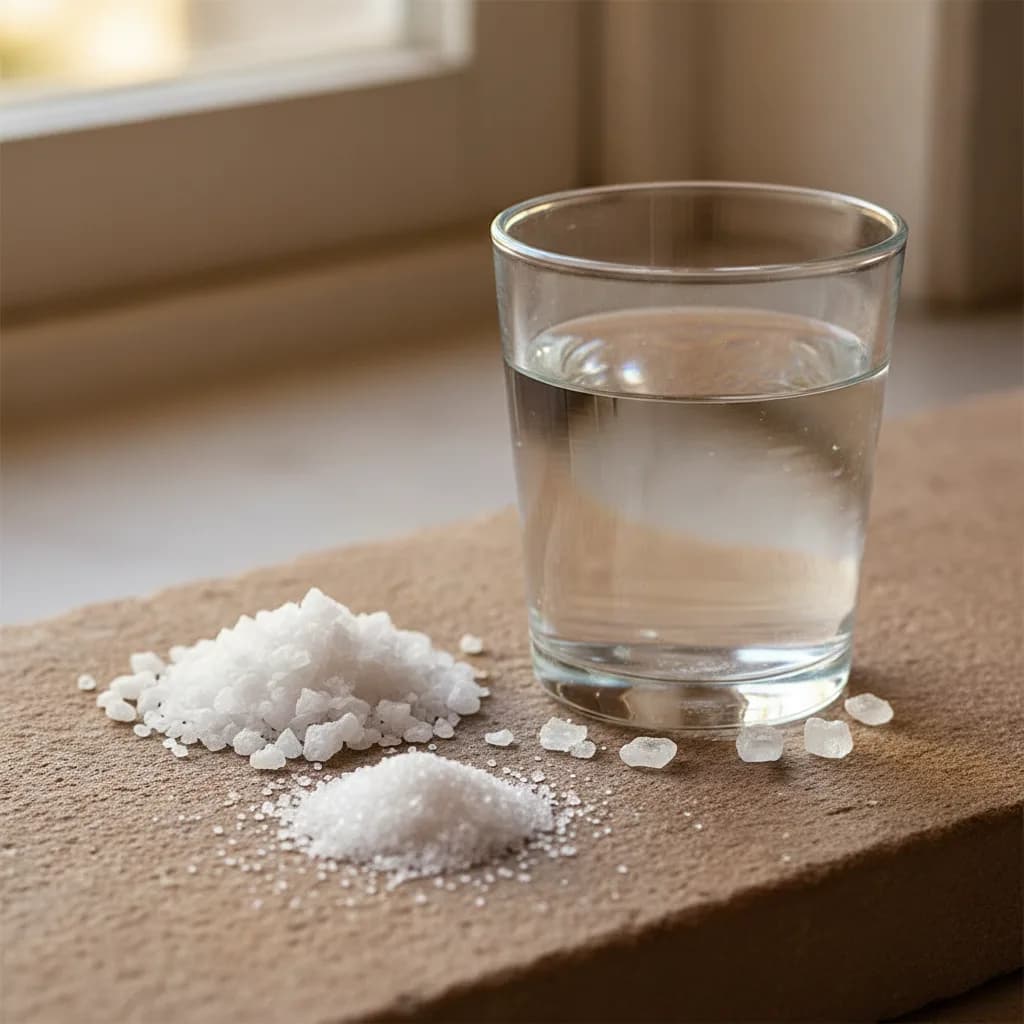
| Solute | The substance that dissolves in a liquid to form a solution. | When salt dissolves in water, the salt is the solute. |
| Solvent | The liquid that a substance dissolves into. | Water is a common solvent because many things can dissolve in it. |
| Solution | A clear liquid mixture formed when a solid has completely dissolved in a liquid. | Stirring the sugar into the tea made a sweet solution. |
| Dissolve | When a solid mixes completely with a liquid and seems to disappear, forming a solution. | The sugar will dissolve faster if the water is warm. |
| Insoluble | Describes a substance that will not dissolve in a liquid. | Sand is insoluble in water; it just settles at the bottom. |
| Saturated | When a liquid has dissolved the maximum amount of a substance possible, so no more can dissolve. | The saturated sugar solution could not dissolve any more sugar. |
| Mixture | When two or more substances are combined but are not chemically joined and can often be separated. | The sand and water formed a mixture, but the sand did not dissolve. |
| Evaporation | The process where a liquid turns into a gas, often leaving any dissolved solids behind. | After the water dried up through evaporation, the salt crystals were left on the plate. |
| Concentration | The amount of a substance that is dissolved in a specific amount of liquid. | The strong orange juice had a high concentration of flavouring. |
Addressing the pervasive challenge of vocabulary acquisition in Science, particularly for abstract concepts, demands targeted interventions. The precise definition of 'Solute' as 'The substance that dissolves in a liquid to form a solution', alongside its contextual example, exemplifies the resource's granular focus. This structured vocabulary list, with its clear definitions and subject-specific examples, directly reduces intrinsic cognitive load by pre-teaching Tier 3 terminology. This architectural choice facilitates schema construction, enabling Year 5 pupils to confidently engage with the Solubility topic and bridge the vocabulary gap, thereby fostering deeper conceptual understanding.
Join thousands of educators in England who are saving hours every week with MagiTeacher.
Try MagiTeacher for Free